Bioplastics 2026–2035: Next-Generation Materials Reshaping Packaging & Beyond
What exactly are bioplastics?
Bioplastics = plastics that are either:
A) made (at least partially) from renewable biological raw materials → bio-based
B) able to be biologically degraded under certain conditions → biodegradable / compostable
Important: these two properties are independent
Most common combinations in 2025/2026:
┌─────────────────────────────┬───────────────┬──────────────────────┐ │ │ Bio-based │ Not bio-based │ ├─────────────────────────────┼───────────────┼──────────────────────┤ │ Biodegradable / compostable │ PLA, PHA, starch blends, PBS │ PBAT, PCL, some fossil-based polyesters │ │ Not biodegradable │ bio-PE, bio-PP, bio-PET, bio-PA11 │ conventional PE, PP, PET, PVC │ └─────────────────────────────┴───────────────┴──────────────────────┘
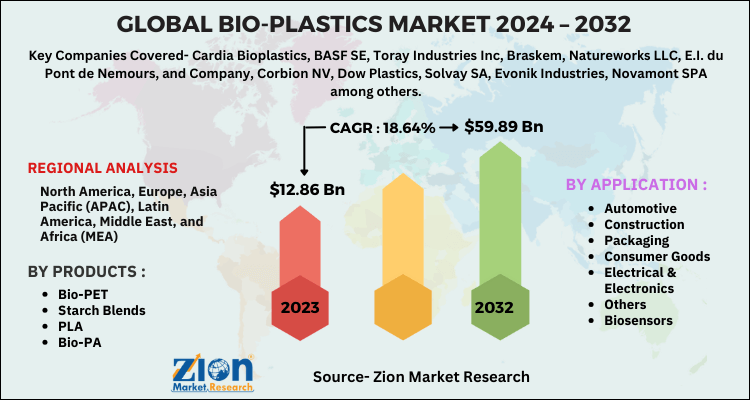
Current global production – January 2026 snapshot
According to European Bioplastics & Nova-Institute latest data (November 2025 report):
Total bioplastics production capacity ≈ 2.37 million tonnes (2025)
Forecast 2029: ≈ 7.4–7.9 million tonnes (very ambitious targets)
Breakdown by type – 2025 actual:
- PLA (polylactic acid) ≈ 450–480 kt
- PHA (polyhydroxyalkanoates) ≈ 120–160 kt (strong growth)
- Starch blends ≈ 380–420 kt
- Bio-based PE ≈ 200 kt
- Bio-based PET (partial bio) ≈ 250–280 kt
- PBAT (fossil biodegradable) ≈ 550–650 kt ← biggest single polymer
- Bio-PA (polyamides 10/11/6.10 etc) ≈ 180–220 kt
- Others (PBS, cellulose derivatives…) ≈ 150 kt
Key message 2026: PBAT (fossil but compostable) is still the largest volume bioplastic on the market, which many people find surprising.
Most important commercial bioplastics in 2025/2026
| Polymer | Bio-based? | Biodegradable? | Main applications today | Typical price level vs. fossil equivalent |
|---|---|---|---|---|
| PLA | Yes | Industrial | Rigid packaging, cups, 3D printing, films | +50–120 % |
| PBAT | No | Industrial | Flexible packaging, compost bags, mulch films | +80–150 % |
| Starch blends | Partial–Yes | Industrial/home | Shopping bags, waste bags, food packaging | +20–80 % |
| PHA family | Yes | Home & marine | Premium flexible packaging, coatings, medical | +300–700 % |
| Bio-PE | Yes | No | Bottles, films, cosmetic tubes (drop-in) | +40–100 % |
| Bio-PET (30% bio) | Partial | No | Coke PlantBottle, cosmetic bottles | +20–60 % |
| Bio-PA 11 & 10.10 | Yes | No | Automotive, cables, high-performance textiles | +150–400 % |
Biodegradability reality check – 2025/2026
Very important table – where each material actually degrades:
| Material | Industrial compost (58°C) | Home compost (~20–30°C) | Soil degradation | Marine degradation | Very important note |
|---|---|---|---|---|---|
| PLA | Yes (3–6 months) | Very slow / no | Very slow | Extremely slow | Needs industrial facility |
| PBAT | Yes | Sometimes (very slow) | Slow | Very slow | Usually blended with PLA |
| PHA (most types) | Yes | Yes (many types) | Yes | Yes (many types) | Currently the best marine option |
| Starch blends | Yes | Often yes | Yes | Sometimes | Depends heavily on exact blend |
| Bio-PE, bio-PP, bio-PET | No | No | No | No | Same as fossil versions – recyclable only |
Key takeaway 2025/2026: Most “biodegradable” packaging you see in supermarkets is only industrially compostable (needs special facilities at ~58°C). Only certain PHAs are reliably home compostable and marine degradable.
Price reality 2025/2026 (rough retail / converter level)
| Polymer | Approx. price €/kg (bulk) | Compared to fossil equivalent |
|---|---|---|
| Conventional PE | 1.1 – 1.5 | – |
| Bio-PE | 1.8 – 2.8 | +60–120% |
| Conventional PET | 1.2 – 1.6 | – |
| Bio-PET (30%) | 1.5 – 2.1 | +25–60% |
| PLA | 2.2 – 3.4 | +100–180% |
| PBAT | 3.0 – 4.8 | +150–250% |
| PHA | 6.0 – 14.0 | +400–900% |
→ The economic gap is still very significant for most biodegradable options.
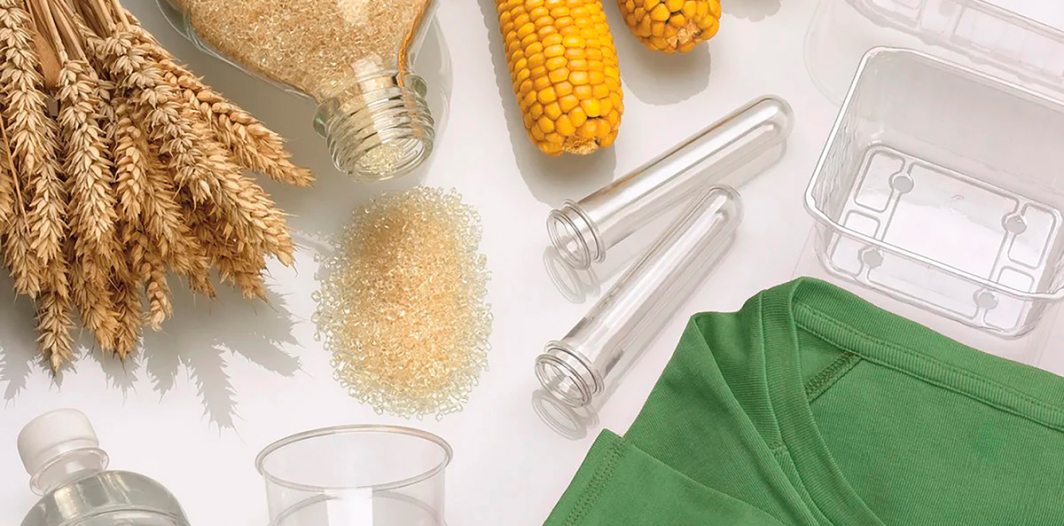
Current biggest real-world uses (early 2026)
- Flexible packaging (biggest volume)
- Compostable fruit/vegetable bags
- Coffee capsules (many brands)
- Bakery bags, take-away packaging
- Rigid packaging
- PLA cups, trays, clamshells
- Some cosmetic jars (PLA)
- Fibres & textiles
- Bio-PET clothing
- PLA fibres (growing slowly)
- Agricultural applications
- Mulch films (PBAT/PLA blends)
- Consumer goods
- Some phone cases, toys, 3D printing filament (PLA)
The great current debate (2025–2026)
“Should we prioritise bio-based drop-ins or compostable polymers?”
Camp A – drop-in first (Braskem, TotalEnergies Corbion position)
- Bio-PE, bio-PET can immediately use existing recycling infrastructure
- Much faster fossil carbon reduction
- Cheaper than most compostables
Camp B – compostable first (Novamont, BASF ecovio, many NGOs)
- Only compostable solves the persistent microplastic problem
- Drop-ins still stay forever if they leak into environment
- Need to build separate collection & composting infrastructure anyway
Reality 2026: Both strategies are happening simultaneously because they solve different problems.
→ The economic gap is still very significant for most biodegradable options.
Current biggest real-world uses (early 2026)
- Flexible packaging (biggest volume)
- Compostable fruit/vegetable bags
- Coffee capsules (many brands)
- Bakery bags, take-away packaging
- Rigid packaging
- PLA cups, trays, clamshells
- Some cosmetic jars (PLA)
- Fibres & textiles
- Bio-PET clothing
- PLA fibres (growing slowly)
- Agricultural applications
- Mulch films (PBAT/PLA blends)
- Consumer goods
- Some phone cases, toys, 3D printing filament (PLA)
The great current debate (2025–2026)
“Should we prioritise bio-based drop-ins or compostable polymers?”
Camp A – drop-in first (Braskem, TotalEnergies Corbion position)
- Bio-PE, bio-PET can immediately use existing recycling infrastructure
- Much faster fossil carbon reduction
- Cheaper than most compostables
Camp B – compostable first (Novamont, BASF ecovio, many NGOs)
- Only compostable solves the persistent microplastic problem
- Drop-ins still stay forever if they leak into environment
- Need to build separate collection & composting infrastructure anyway
Reality 2026: Both strategies are happening simultaneously because they solve different problems.
Quick summary table – January 2026 reality check
| Goal | Currently best realistic choice(s) | Price premium | Scalability now | Scalability 2030 forecast |
|---|---|---|---|---|
| Cheapest way to reduce fossil carbon | bio-PE, bio-PET | +30–80% | Very good | Excellent |
| Best marine & home compostable | certain PHAs | +400–900% | Very limited | Good–very good |
| Best compromise price/performance | PLA–PBAT blends | +100–250% | Good | Very good |
| Best for high-performance parts | bio-PA11, bio-PA10.10 | +200–500% | Good | Excellent |
| Most sustainable long-term vision | PHA from waste methane / CO₂ / wastewater | Extremely high | Very early | Potentially excellent |
Final 2025/2026 realistic take-away
If someone asks you today: “What is the best bioplastic right now?”
The honest answer depends completely on what problem they want to solve:
- Want to quickly reduce fossil carbon with existing recycling system? → bio-PE and bio-PET are currently the most pragmatic choice
- Want to solve the persistent microplastic problem in soil & ocean? → only certain PHAs can do it reliably today
- Want the best price/performance compromise for compostable flexible packaging? → PLA-PBAT blends are still the workhorse in 2026
We are still in the “multiple parallel strategies” phase — not in a single-winner phase yet.
The next 5–8 years will be decisive in showing which route(s) will scale most successfully.
More articles by ZMR Researche:
https://www.zionmarketresearch.com/de/report/clot-management-devices-market
https://www.zionmarketresearch.com/de/report/acellular-therapy-market
https://www.zionmarketresearch.com/de/report/assembly-automation-systems-market
https://www.zionmarketresearch.com/de/report/sous-vide-machine-market
https://www.zionmarketresearch.com/de/report/aromatic-compounds-market