High Temperature Resistance: An Overview of Materials and Technologies
High temperature resistance refers to the ability of materials, coatings, or components to maintain structural integrity, mechanical properties, and functionality under extreme heat, often exceeding 500°C and up to 3000°C in specialized cases.
This property is critical in industries where thermal stress causes oxidation, creep, melting, or degradation. Materials science advances have produced refractory metals, ceramics, superalloys, and composites that withstand these conditions, enabling technologies from jet engines to nuclear reactors.

History and Development
Humans have sought heat-resistant materials since ancient times, using clay bricks for kilns and forges. The Industrial Revolution demanded better options for steam engines and furnaces.
The 20th century brought breakthroughs:
- Tungsten filaments for light bulbs (1900s).
- Nickel-based superalloys for jet engines post-WWII.
- Thermal barrier coatings (TBCs) in the 1970s–1980s for turbines.
- Recent advances include ceramic matrix composites (CMCs) and ultra-high-temperature ceramics (UHTCs) for hypersonic vehicles.
Key Mechanisms of High Temperature Resistance
Resistance involves:
- High Melting Point — Refractory metals like tungsten (3422°C).
- Oxidation Resistance — Protective oxide layers (e.g., chromium in superalloys).
- Creep Resistance — Slow deformation under stress (grain boundary strengthening).
- Thermal Shock Resistance — Withstand rapid changes (low expansion ceramics).
- Coatings — TBCs like yttria-stabilized zirconia reduce surface temperatures.
Types of High Temperature Resistant Materials
- Refractory Metals: Tungsten, molybdenum, tantalum, niobium—used in furnaces, rockets.
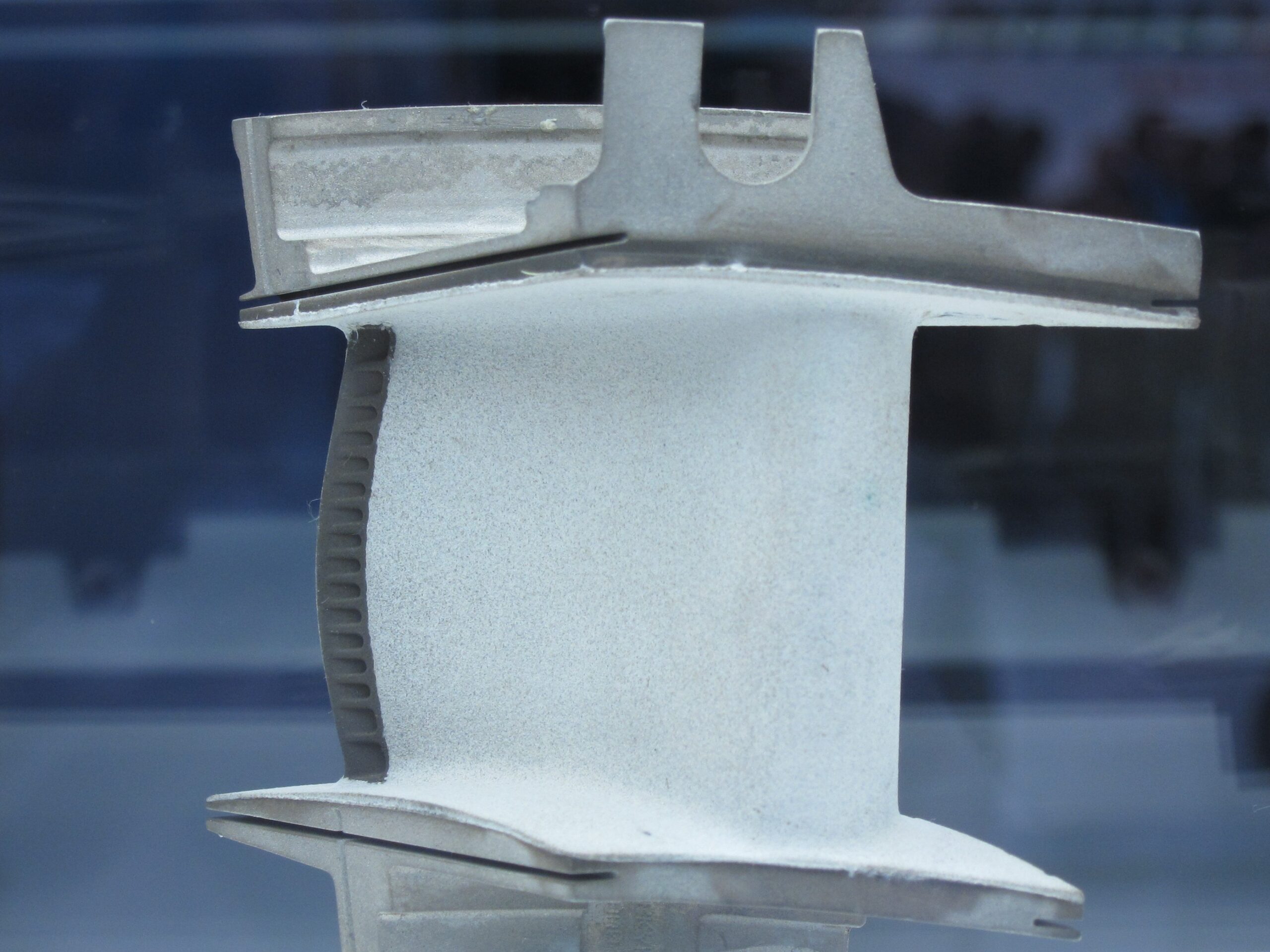
- Superalloys: Nickel/cobalt-based for turbine blades (up to 1100–1200°C).
- Ceramics and Refractories: Alumina, zirconia, silicon carbide for furnace linings (up to 2000°C+).
- Composites and Polymers: Carbon-carbon, CMCs; high-temp polymers like PEEK, polyimides (300–500°C).
Testing and Evaluation
Labs use furnaces, thermal cycling, creep tests, and oxidation exposure to evaluate resistance.
Applications
- Aerospace → Turbine blades, heat shields.
- Energy → Nuclear reactors, solar concentrators.
- Manufacturing → Furnaces, kilns.
- Automotive/EV → Exhaust systems, batteries.
High temperature resistance drives progress in extreme environments, from space exploration to sustainable energy. Ongoing research in nanomaterials and additive manufacturing promises even greater capabilities. For specific applications, consult materials engineers or standards like ASTM.
More articles by ZMR Researche:
https://www.zionmarketresearch.com/de/report/plastic-paper-plate-market-size
https://www.zionmarketresearch.com/de/report/low-iron-glass-market
https://www.zionmarketresearch.com/de/report/print-management-market
https://www.zionmarketresearch.com/de/report/grain-oriented-electrical-steel-market
https://www.zionmarketresearch.com/de/report/piperazine-pip-market