Gas Mixers: Precision Solutions for Industrial Gas Blending
Gas Mixers are specialized devices used to precisely blend two or more gases into a homogeneous mixture with a defined composition. They are essential in industries requiring accurate gas ratios, such as food packaging (Modified Atmosphere Packaging or MAP), welding and metal fabrication, laboratory research, medical applications, and beverage carbonation. By controlling flow rates and proportions, gas mixers ensure consistency, safety, and efficiency while reducing waste compared to pre-mixed cylinders.
Modern gas mixers range from simple mechanical units to advanced electronic systems with touchscreens and remote monitoring. Leading manufacturers include WITT Gasetechnik, AMETEK MOCON (Dansensor), IBEDA, and Linde.
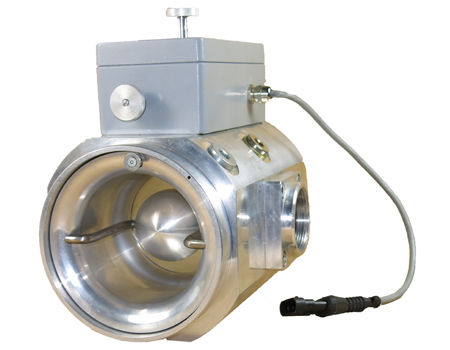
How Gas Mixers Work
Most gas mixers operate on proportional mixing principles.
Common technologies:
- Mechanical/Proportional Mixers: Use sintered bronze or metal mesh elements to blend gases based on inlet pressures and orifice sizes. Simple and reliable for fixed ratios.
- Mass Flow Controller (MFC)-Based: Electronic sensors measure and adjust flows precisely, allowing variable mixtures.
- Venturi or Nozzle Systems: High-pressure gas draws in others via vacuum effect.
Advanced units include buffers for stable output, alarms for deviations, and integration with gas analyzers for feedback control.
Types of Gas Mixers
For Welding and Metalworking
Blend Shielding Gases like Ar/CO₂, Ar/O₂, or Ar/He for MIG/MAG/TIG welding. Fixed or variable ratios improve weld quality and reduce costs.
For Food Packaging (MAP)
Mix N₂, CO₂, and O₂ to extend shelf life in packaged foods. Inline mixers integrate with packaging machines for on-demand mixing.
Laboratory and Scientific
Precise blending for calibration gases, cell culture (CO₂/O₂/N₂), or research experiments.
Medical and Beverage
Medical mixers for anesthesia or respiratory gases; beverage for carbonation or nitro coffee.

Key Players and Products
- WITT Gasetechnik — Broad range including KM-MEM+ electronic mixers and BM series.
- AMETEK MOCON/Dansensor — MAP Mix series for food industry.
- IBEDA — Robust mixers for industrial gases.
- Others — Linde, MCQ Instruments, Harvard Apparatus for labs.
Benefits and Advantages
- Cost savings: Mix on-site vs. buying pre-mixed cylinders.
- Flexibility: Adjustable ratios.
- Quality control: Consistent mixtures.
- Safety: Reduces handling of pure gases.
- Sustainability: Minimizes waste and transport emissions.
Challenges
Accuracy depends on inlet pressures; electronic models require calibration. High-flow applications need large buffers.
Future Trends
Integration with IoT for remote control, AI for predictive maintenance, and greener designs for hydrogen blending in energy transition.
Conclusion
Gas mixers are indispensable for precise, efficient gas blending across industries. From enhancing food freshness to optimizing welds, they deliver reliability and cost benefits. As technology advances, smarter, more versatile mixers will support evolving industrial needs.
More articles by ZMR Researche:
https://www.zionmarketresearch.com/de/report/medical-radioisotopes-market
https://www.zionmarketresearch.com/de/report/nitrogenous-fertilizer-market
https://www.zionmarketresearch.com/de/report/operational-analytics-market
https://www.zionmarketresearch.com/de/report/fluorescent-lighting-market
https://www.zionmarketresearch.com/de/report/luxury-home-decor-market