Ethylene Methyl Acrylate (EMA): Properties and Industrial Applications
Ethylene Methyl Acrylate (EMA) is a copolymer of ethylene and methyl acrylate, belonging to the family of ethylene-acrylic ester copolymers. It combines the flexibility, toughness, and processability of polyethylene with the polarity, adhesion, and compatibility imparted by the methyl acrylate comonomer. EMA is produced via high-pressure free-radical polymerization and is widely used in film, extrusion coating, wire and cable, and adhesive applications.
Commercially introduced in the 1970s by companies like DuPont (Elvaloy) and later expanded by Arkema (Lotryl), Westlake, and others, EMA bridges low-density polyethylene (LDPE) and ethylene-vinyl acetate (EVA) in performance. Typical methyl acrylate content ranges from 9-35 wt%, influencing polarity and properties. The global market for EMA and related copolymers is part of the broader ethylene copolymer segment, valued at several billion USD in 2025, driven by packaging, automotive, and renewable energy sectors.
Chemical and Physical Properties
EMA is a random copolymer with the general structure consisting of ethylene chains interrupted by methyl acrylate units (–CH₂–CH₂–)ₙ–[–CH₂–CH(CH₃)COOCH₃–]ₘ.
Key properties vary with methyl acrylate (MA) content:
- Density: 0.92-0.95 g/cm³ (lower MA → lower density).
- Melting Point: 70-100°C (decreases with higher MA).
- Vicat Softening Point: 40-80°C.
- Melt Flow Index (MFI): 0.5-20 g/10 min (190°C/2.16 kg), tailored for extrusion or injection.
- Glass Transition Temperature (Tg): Around -30 to -50°C, providing excellent low-temperature flexibility.
- Polarity: Higher MA content increases polarity, improving adhesion to polar substrates (metals, paper, polar plastics).
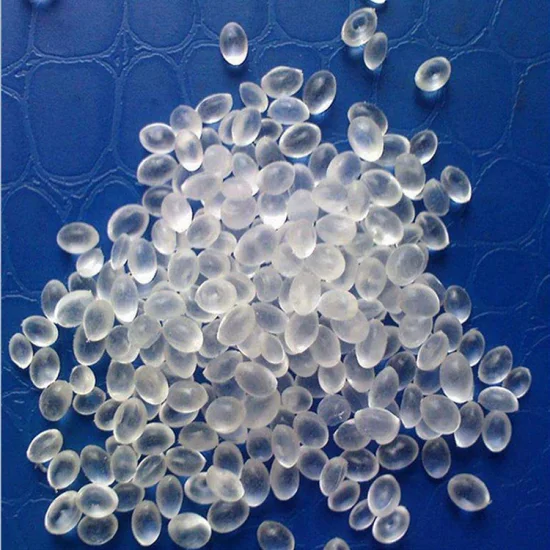
- Transparency: Good optical clarity in films.
- Chemical Resistance: Resistant to oils, greases, and many solvents; moderate UV stability (additives required for outdoor use).
EMA exhibits rubber-like toughness, high elongation (>500%), and good stress-crack resistance.
Production Methods
EMA is manufactured via high-pressure autoclave or tubular reactor processes similar to LDPE:
- Ethylene gas is compressed to 100-300 MPa.
- Methyl Acrylate monomer and free-radical initiators (peroxides, oxygen) are injected.
- Polymerization occurs at 150-300°C, yielding random copolymer.
- Unreacted monomers are recycled; polymer is extruded and pelletized.
Modern plants achieve precise comonomer incorporation through advanced control systems. Bio-based or recycled ethylene routes are emerging for sustainability.
Applications and Uses
EMA’s balance of properties enables diverse applications:
- Films and Packaging: Blown/cast films for food packaging, lamination, shrink films; excellent sealability and puncture resistance.
- Extrusion Coating: On paper, board, or aluminum foil for liquid packaging (milk/juice cartons), providing heat sealability and barrier.
- Wire and Cable: Jacketing/insulation for low-voltage cables; flexibility and flame-retardant grades.
- Hot-Melt Adhesives: Base polymer for packaging, bookbinding, and woodworking adhesives.
- Polymer Modification: Impact modifier or compatibilizer in blends with polyolefins, PVC, or engineering plastics.
- Foams and Compounds: Crosslinked foams for automotive seals; compounds for hoses and profiles.
Higher MA grades excel in adhesion; lower MA grades approach LDPE economics.
Advantages and Limitations
Advantages:
- Superior adhesion to polar substrates vs. LDPE.
- Excellent flexibility at low temperatures.
- Good processability (similar to LDPE).
- Compatibility with fillers and pigments.
- Lower seal initiation temperature than EVA in some grades.
Limitations:
- Higher cost than LDPE/EVA.
- Reduced heat resistance compared to HDPE.
- Potential odor from residual monomer (controlled in modern grades).
- Moderate weatherability without stabilizers.
Health and Safety Considerations
EMA is generally regarded as safe for food contact (FDA/EU compliant grades). It exhibits low acute toxicity; dust inhalation or thermal decomposition fumes require ventilation. Polymer pellets pose minimal risk, but processing at high temperatures (>300°C) may release fumes needing extraction.
Environmental Impact
EMA is non-biodegradable but recyclable in polyolefin streams. Efforts focus on increasing recycled content and developing bio-based ethylene versions. Low volatility and inertness minimize environmental release.
Market and Trends
Major producers: Arkema (Lotryl), Westlake (EMAC), DuPont/Dow (Elvaloy), SK Geo Centric. Asia-Pacific dominates production; North America/Europe focus on high-value applications. Trends include:
- Sustainable grades with bio-ethylene.
- Flame-retardant/halogen-free cable compounds.
- Enhanced barrier films for sustainable packaging.
EMA remains a versatile, high-performance copolymer balancing cost and functionality in demanding applications.
Conclusion
Ethylene Methyl Acrylate copolymers offer a unique combination of polyethylene-like processability with enhanced polarity and adhesion, making them indispensable in modern packaging, adhesives, and industrial compounds. Ongoing innovations in sustainability and performance ensure continued relevance in a circular economy-focused market.
More articles by ZMR Researche:
https://www.zionmarketresearch.com/de/report/neopentyl-glycol-npg-market
https://www.zionmarketresearch.com/de/report/food-minerals-market
https://www.zionmarketresearch.com/de/report/optical-lens-for-infrared-device-market
https://www.zionmarketresearch.com/de/report/communications-service-providers-csp-market
https://www.zionmarketresearch.com/de/report/animal-radio-collar-market