Sulphur and Sulfuric Acid: Key Chemicals in Global Manufacturing
Sulphur (S), also spelled sulfur in American English, is a bright yellow, non-metallic chemical element (atomic number 16) essential to life and industry. Sulfuric acid (H₂SO₄), one of its most important compounds, is a colorless, odorless, highly corrosive strong acid often called the “king of chemicals” due to its widespread industrial use. Together, sulphur and sulfuric acid form the foundation of numerous global manufacturing processes, from fertilizers to petrochemicals.
Sulphur has been known since antiquity—mentioned in the Bible and used by ancient civilizations for bleaching, medicine, and gunpowder. Industrial-scale sulfuric acid production began with the lead chamber process in the 18th century, revolutionized by the contact process in the late 19th century. As of 2025, global sulphur production exceeds 80-90 million metric tons annually (mostly as byproduct from oil/gas desulfurization), while sulfuric acid output surpasses 250-280 million tons, making it the most produced chemical worldwide. China dominates both markets, followed by the U.S., Russia, and Middle East producers. The sulphur-sulfuric acid cycle underpins modern agriculture (fertilizers), mining, chemicals, and energy sectors.
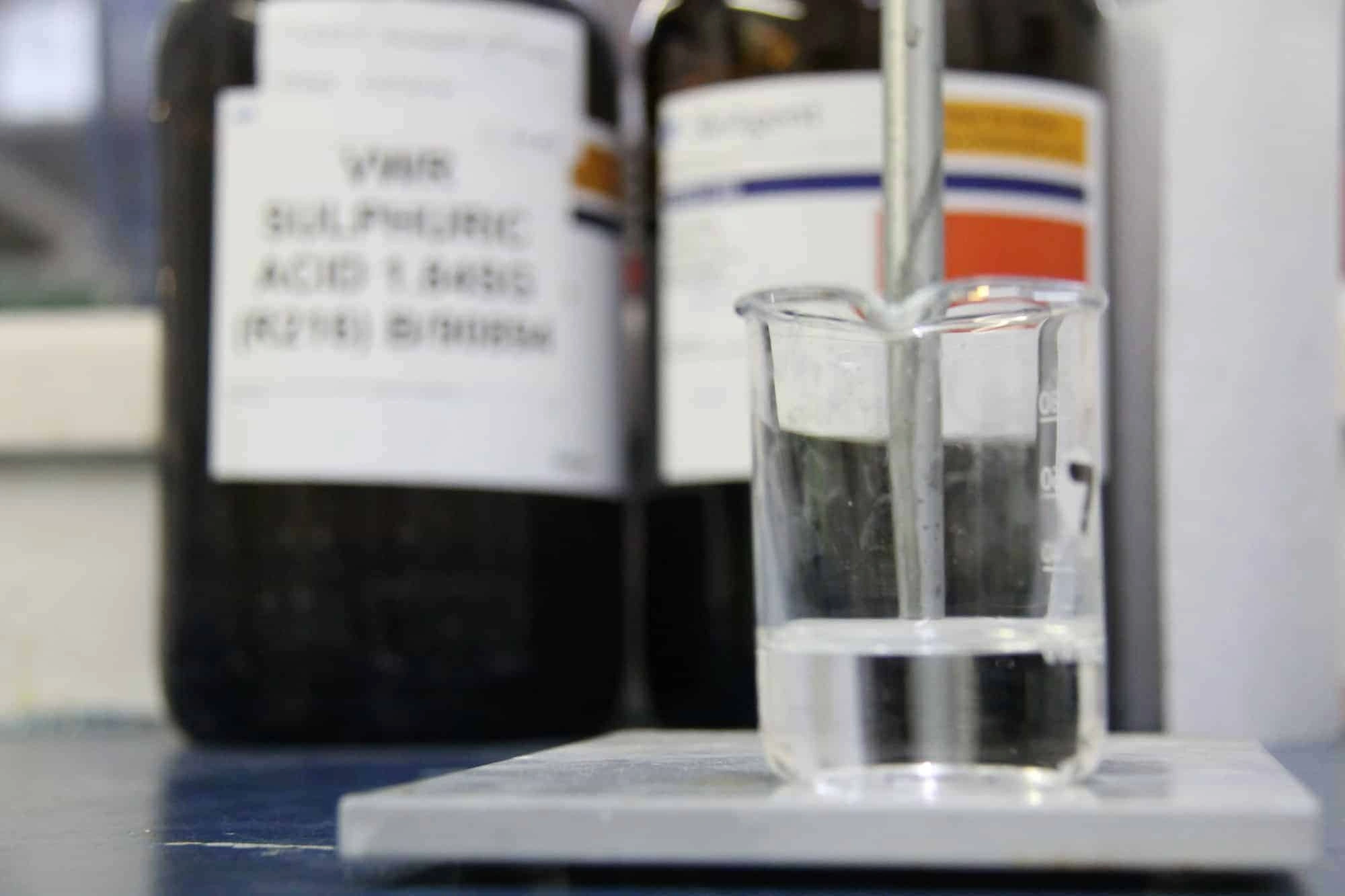
Properties of Sulphur
Sulphur exists in multiple allotropes:
- Rhombic sulphur: Most stable crystalline form (yellow crystals).
- Monoclinic sulphur: Needle-like crystals.
- Amorphous/plastic sulphur: Non-crystalline forms.
Physical properties:
- Melting point: 115°C.
- Boiling point: 445°C.
- Density: 2.07 g/cm³ (rhombic).
- Insoluble in water; soluble in carbon disulfide.
Chemical reactivity:
- Burns in air to SO₂.
- Forms H₂S with hydrogen.
- Oxidizes to SO₃ and H₂SO₄.
Natural occurrence: Elemental deposits (Frasch process mining), volcanic, and as sulfides/sulfates in minerals (pyrite FeS₂, gypsum CaSO₄·2H₂O).
Sources and Production of Sulphur
Modern sulphur is primarily a byproduct:
- Hydrodesulfurization (oil/gas refining): Removes sulfur compounds, yielding elemental sulphur via Claus process (2H₂S + SO₂ → 3S + 2H₂O).
- Frasch Process (declining): Superheated water/steam melts underground deposits.
- Pyrite Roasting/Metal Smelting: Byproduct SO₂ converted to acid/sulphur.
90% recovered sulphur from fossil fuels; sustainability focus on circular recovery.
Production of Sulfuric Acid
Nearly all industrial sulfuric acid uses the contact process:
- Sulphur Burning: S + O₂ → SO₂.
- Catalytic Oxidation: 2SO₂ + O₂ ⇌ 2SO₃ (V₂O₅ catalyst, 400-450°C).
- Absorption: SO₃ + H₂SO₄ → H₂S₂O₇ (oleum), then diluted to H₂SO₄.
Double contact double absorption (DCDA) achieves >99.5% conversion. Alternative: Smelter gas or pyrite.
Concentrations: 93-98% commercial; oleum (fuming) >100% equivalent.
Physical and Chemical Properties of Sulfuric Acid
- Pure: Dense (1.84 g/cm³), oily liquid.
- Boiling point: 337°C (decomposes).
- Highly hygroscopic, exothermic dilution.
- Strong dehydrating agent (chars organics).
- Diprotics: H₂SO₄ ⇌ HSO₄⁻ + H⁺ (strong); HSO₄⁻ ⇌ SO₄²⁻ + H⁺ (weaker).
Reacts violently with water, bases; powerful oxidant when hot/concentrated.

Applications of Sulphur and Sulfuric Acid
- Fertilizers (60-70% sulfuric acid use)
- Phosphoric acid production → phosphate fertilizers (superphosphate, DAP).
- Ammonium sulfate.
- Chemicals
- Detergents (alkylbenzene sulfonates).
- Pigments (TiO₂).
- Explosives, dyes, pharmaceuticals.
- Metals Processing
- Copper/uranium leaching.
- Steel pickling.
- Petroleum Refining
- Alkylation catalyst.
- Batteries
- Lead-acid electrolyte.
- Other Sulphur Uses
- Vulcanization (rubber).
- Fungicides, matches.
Health and Safety Considerations
- Sulphur: Low acute toxicity; dust irritant.
- Sulfuric Acid: Highly corrosive; causes severe burns, pulmonary edema if inhaled.
- Handling: PPE, ventilation, spill neutralization (lime/soda ash).
Transportation: UN 1830 (corrosive).
Environmental Impact
- Acid rain precursor (SO₂ emissions historically).
- Modern recovery/Claus reduces releases.
- Spent acid regeneration promotes circularity.
- Mining impacts (elemental deposits).
Market and Economic Aspects
Price volatility tied to oil/gas (byproduct sulphur). Major producers: China, U.S., Canada, Saudi Arabia.
Trends: Hydrogen sulfide recovery growth, sustainability focus.
Conclusion
Sulphur and sulfuric acid form an indispensable industrial duo, enabling modern agriculture, manufacturing, and energy. From ancient elemental uses to today’s sophisticated recovery and conversion processes, they exemplify chemical engineering’s role in global economy and food security. Ongoing emphasis on emissions control, recycling, and alternative sources ensures their continued relevance in a sustainable future.
More articles by ZMR Researche:
https://www.zionmarketresearch.com/de/report/car-air-freshener-market
https://www.zionmarketresearch.com/de/report/unmanned-combat-aerial-vehicle-market
https://www.zionmarketresearch.com/de/report/sulphur-and-sulfuric-acid-market
https://www.zionmarketresearch.com/de/report/organic-yeast-market
https://www.zionmarketresearch.com/de/report/linear-shower-drains-market