Aromatic: Understanding Fragrance, Flavor, and Chemical Uses
“Aromatic” is a multifaceted term with distinct meanings across chemistry, botany, perfumery, cuisine, and everyday language. In its broadest sense, it describes substances possessing a strong, pleasant, or distinctive odor—often sweet, spicy, or pungent. However, in organic chemistry, “aromatic” refers to a specific class of compounds exhibiting unique stability due to cyclic, planar structures with delocalized π electrons, following Hückel’s rule.
The word derives from the Greek arōma (spice or sweet herb), reflecting early associations with fragrant plant resins and oils. Aromatic compounds have shaped human culture—from ancient incense and perfumes to modern pharmaceuticals and plastics. As of 2025, aromatic hydrocarbons (benzene derivatives) remain foundational to the petrochemical industry (USD trillions in value), while natural aromatic plants drive essential oil and flavor markets. This overview explores the scientific, cultural, and practical dimensions of “aromatic.”
Aromaticity in Organic Chemistry
In chemistry, aromaticity describes enhanced stability in certain cyclic, conjugated molecules:
- Hückel’s Rule: 4n + 2 π electrons (n = integer) in a planar, cyclic system.
- Classic Example: Benzene (C₆H₆): 6 π electrons, perfect hexagon, resonance stabilization (~150 kJ/mol).
- Properties: Unusual stability, equal bond lengths, resistance to addition reactions (prefers substitution).
Key aromatic systems:
- Benzenoid: Benzene, naphthalene, anthracene.
- Heteroaromatic: Pyridine (N), furan (O), thiophene (S), pyrrole (NH).
- Non-Benzenoid: Tropylium cation (7-membered, 6π), cyclopentadienyl anion.
- Polycyclic Aromatic Hydrocarbons (PAHs): Naphthalene to larger fused rings (environmental concern as pollutants/carcinogens).
Anti-aromatic (4n π electrons): Destabilized (cyclobutadiene). Aromaticity extends to organometallics (metallocenes) and inorganic rings.
Diagnostic tests:
- NMR: Ring current shifts protons upfield/downfield.
- Heat of hydrogenation: Lower than expected.
Aromatic compounds dominate pharmaceuticals (~60% drugs contain aromatic rings), dyes, and polymers (polystyrene, PET).
Aromatic Compounds in Nature and Botany
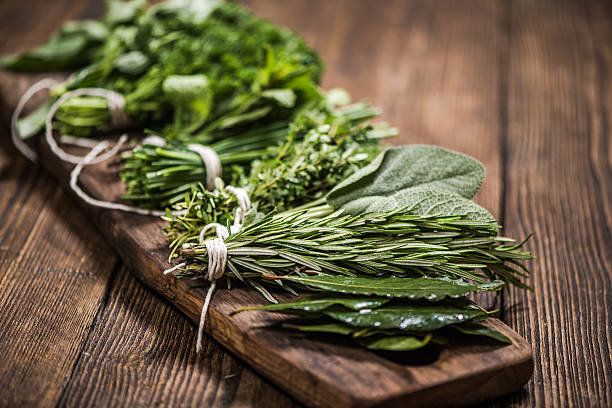
Plants produce thousands of aromatic volatiles:
- Essential Oils: Concentrated hydrophobic liquids with characteristic scents.
- Monoterpenes: Limonene (citrus), pinene (pine).
- Sesquiterpenes: Caryophyllene (spicy).
- Phenylpropanoids: Eugenol (clove), cinnamaldehyde (cinnamon), vanillin.
- Sources: Flowers (rose, jasmine), leaves (mint, basil), bark (cinnamon), roots (vetiver), resins (frankincense, myrrh).
Functions in plants:
- Defense against herbivores/pathogens.
- Attract pollinators.
- Allelopathy (inhibit competing plants).
Humans exploit via distillation, expression, or extraction (supercritical CO₂).
Aromatic in Perfumery and Fragrance
In perfumery, “aromatic” describes a fragrance family:
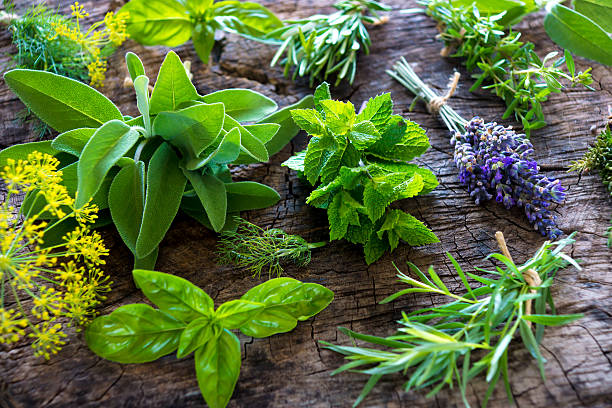
- Fresh, herbaceous, often lavender, sage, rosemary, fougère accords.
- Classic examples: Eau Sauvage (Dior), Drakkar Noir.
Fragrance pyramid:
- Top notes: Citrus, herbs.
- Heart: Lavender, spices.
- Base: Woods, musks.
Aromatic compounds (natural/synthetic) form ~70% of perfume ingredients.
Culinary Aromatics
Aromatic ingredients enhance flavor:
- Herbs: Basil, thyme, rosemary, mint.
- Spices: Cinnamon, clove, cardamom, star anise.
- Alliums: Garlic, onion.
- Citrus Zest: Lemon, orange.
Techniques: Bouquet garni, mirepoix, spice rubs, infusions.
Health and Therapeutic Aspects
- Aromatherapy: Essential oils (lavender calming, peppermint invigorating); evidence mixed but supportive for relaxation.
- Pharmacology: Many drugs derived from aromatics (salicylic acid → aspirin from willow).
- Toxicity: Some PAHs carcinogenic; essential oils require dilution.
Industrial and Commercial Significance
- Petrochemicals: Benzene, toluene, xylene (BTX) from naphtha cracking.
- Polymers: Styrene (polystyrene), terephthalic acid (PET).
- Dyes/Pigments: Azo compounds.
- Flavors/Fragrances: Vanillin, menthol synthesis.
Sustainability: Bio-based aromatics from lignin or fermentation emerging.
Cultural and Historical Context
- Ancient: Incense (frankincense, myrrh) in rituals.
- Medieval: Spice trade routes.
- Modern: Aromatic fougère perfumes (1882 Houbigant).
“Aromatic” evokes sensory pleasure across cultures.
Conclusion
“Aromatic” spans scientific precision (chemical stability) and sensory delight (fragrance, flavor). From benzene’s resonance to lavender’s calming scent, aromatic compounds enrich chemistry, cuisine, culture, and commerce. Sustainable sourcing and bio-derived alternatives address environmental concerns while preserving their timeless appeal. Whether in a laboratory, kitchen, or perfume bottle, aromatics continue captivating human senses and driving innovation.
More articles by ZMR Researche:
https://www.zionmarketresearch.com/de/report/sustainable-catering-services-market
https://www.zionmarketresearch.com/de/report/silage-film-market
https://www.zionmarketresearch.com/de/report/cnc-machine-market
https://www.zionmarketresearch.com/de/report/pressure-transmitter-market
https://www.zionmarketresearch.com/de/report/cardiovascular-monitoring-diagnostic-devices-market