Biocides Explained: Types, Mechanisms, and Key Applications in Industry
Biocide is a chemical substance or microorganism intended to destroy, deter, render harmless, or exert a controlling effect on harmful organisms by chemical or biological means. Biocides target bacteria, viruses, fungi, algae, insects, rodents, or other pests, playing a critical role in public health, agriculture, industry, and consumer products.
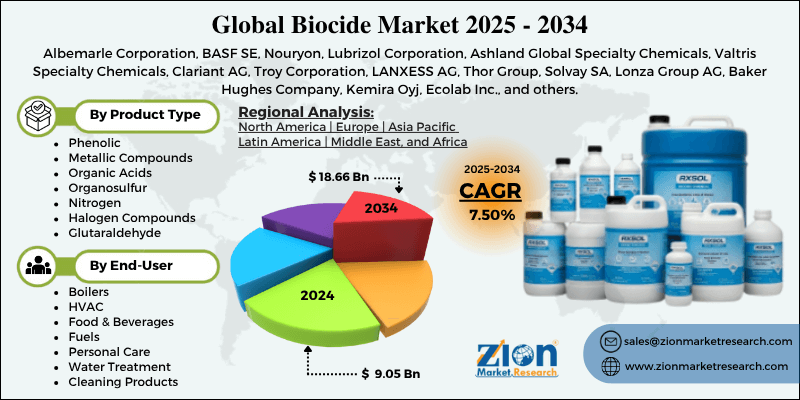
The term “Biocide” originated in the mid-20th century, distinguishing broad-spectrum agents from narrower antibiotics (used medically). Modern regulation began with the EU Biocidal Products Directive (1998, updated to Regulation 528/2012—BPR) and U.S. EPA FIFRA oversight. As of 2025, the global biocide market is valued at approximately USD 10-12 billion, growing at 4-6% CAGR due to hygiene awareness (post-COVID), water treatment needs, antimicrobial resistance concerns, and sustainable alternatives demand. Major classes include disinfectants, preservatives, pesticides, and antifouling agents, with key active substances like quaternary ammonium compounds (quats), chlorine derivatives, isothiazolinones, and silver ions.
Biocides balance efficacy against pathogens/pests with safety for humans, animals, and the environment, under strict approval processes requiring data on toxicity, ecotoxicity, and resistance risks.
Classification of Biocides
Biocides are grouped by application (EU BPR defines 22 product types in 4 main groups):
- Disinfectants (Group 1)
- Human hygiene (hand sanitizers).
- Veterinary hygiene.
- Food/feed area.
- Drinking water.
- Preservatives (Group 2)
- In-can (paints, adhesives).
- Film (coatings).
- Wood, masonry.
- Pest Control (Group 3)
- Rodenticides, insecticides, repellents.
- Other (Group 4)
- Antifouling (ship hulls).
- Embalming fluids.
By chemistry:
- Halogens (chlorine, iodine, bromine).
- Quaternary ammonium (benzalkonium chloride).
- Alcohols (ethanol, isopropanol).
- Aldehydes (glutaraldehyde, formaldehyde).
- Phenolics.
- Biguanides (chlorhexidine).
- Metals (silver, copper).
- Oxidizing agents (peroxides, ozone).
Mechanism of Action
Biocides act via:
- Cell Wall/Membrane Disruption: Quats, alcohols.
- Protein Denaturation: Phenolics, aldehydes.
- DNA/RNA Interference: Halogens.
- Enzyme Inhibition: Metals.
- Oxidative Damage: Peroxides.
Broad-spectrum: Multiple targets reduce resistance development.
Applications
- Healthcare and Hygiene
- Surface/hospital disinfection.
- Hand sanitizers (ethanol/quats).
- Wound antiseptics.
- Water Treatment
- Drinking water (chlorine, ozone).
- Cooling towers, pools (bromine).
- Food and Beverage
- Equipment sanitizers.
- Preservatives (limited).
- Paints and Coatings
- In-can/film preservatives (isothiazolinones).
- Agriculture and Pest Control
- Crop protection (though regulated as pesticides separately).
- Animal health.
- Marine and Industrial
- Antifouling paints.
- Oil/gas (biofilm control).
- Consumer Products
- Antimicrobial textiles, plastics.
Regulatory Framework
- EU BPR (528/2012): Active substance approval + product authorization; endocrine disruptors, nanomaterials scrutinized.
- U.S. EPA FIFRA: Registers pesticides; disinfectants under separate rules.
- Other: REACH (EU), PMRA (Canada), APVMA (Australia).
Approval requires:
- Efficacy data.
- Toxicology (acute/chronic).
- Ecotoxicology.
- Environmental fate.
Resistance management mandatory.
Benefits
- Infection control (hospital-acquired infections reduced).
- Food safety/spoilage prevention.
- Infrastructure protection (fouling, corrosion).
- Public health (vector control).
Risks and Concerns
- Toxicity: Skin/eye irritation, respiratory issues (chlorine).
- Environmental: Persistence, bioaccumulation (some antifoulants banned).
- Resistance: Overuse drives bacterial/fungal resistance.
- Endocrine Disruption: Certain quats, triclosan (restricted).
Alternatives: Enzymes, bacteriophages, essential oils.
Market Trends
- Low-toxicity (alcohol-based, silver).
- Sustainable (bio-based, biodegradable).
- Multifunctional (cleaner + biocide).
- Nanotechnology (silver nanoparticles).
- Asia-Pacific growth (industrialization).
Major Active Substances
- Chlorine/hypochlorite.
- Quaternary ammonium compounds.
- Isothiazolinones (MIT, CMIT).
- Glutaraldehyde.
- Hydrogen peroxide.
- Silver ions.
Safety and Best Practices
- Follow label directions.
- Ventilation.
- PPE.
- Rotation to prevent resistance.
Conclusion
Biocides are indispensable for controlling harmful organisms across healthcare, industry, and daily life, safeguarding public health and infrastructure. Strict regulation balances efficacy with safety and environmental impact. As resistance and sustainability concerns rise, innovation in greener, targeted biocides—combined with integrated pest management—ensures continued effectiveness. Responsible use and ongoing research are key to maximizing benefits while minimizing risks.
More articles by ZMR Researche:
https://www.zionmarketresearch.com/de/report/natural-food-color-market
https://www.zionmarketresearch.com/de/report/cnc-video-measuring-market
https://www.zionmarketresearch.com/de/report/industrial-sulfuric-acid-market
https://www.zionmarketresearch.com/de/report/esim-market
https://www.zionmarketresearch.com/de/report/philippines-warehousing-market