Glass to Metal Seals in Electronics and Industrial Applications
Glass to Metal Seal (GTMS) is a hermetic bonding technique that joins glass and metal components to create vacuum-tight, electrically insulating, and mechanically robust interfaces. These seals are critical in applications requiring high reliability, such as vacuum tubes, electronic packages, feedthroughs, sensors, batteries, medical implants, aerospace components, and high-pressure vessels.
The technology originated in the early 20th century with the development of vacuum electronics (e.g., incandescent lamps, radio tubes). Pioneers like Housekeeper (1920s) developed matched seals, while compression seals addressed thermal expansion mismatches. Modern GTMS enables miniaturization, extreme environment tolerance, and biocompatibility. As of 2025, the global hermetic sealing market, including glass to metal, is valued at several billion USD, driven by electronics, EV batteries, medical devices, and space exploration. Leading manufacturers include Schott, Kyocera, Amphenol, and specialized firms like Dietze Glass.
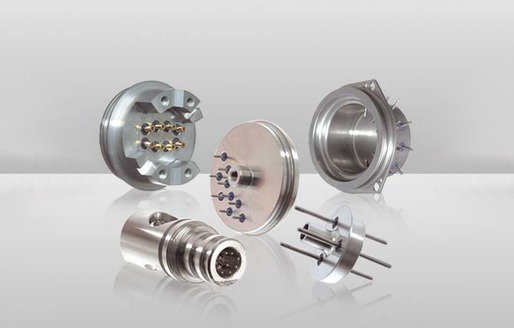
Types of Glass to Metal Seals
GTMS are classified by thermal expansion compatibility:
- Matched Seals Glass and metal have closely matched coefficients of thermal expansion (CTE).
- Common: Kovar (Fe-Ni-Co alloy) with borosilicate glass (CTE ~5 ppm/°C).
- Advantages: Minimal stress, high strength.
- Applications: Precision electronics, sensors.
- Compression Seals Metal has higher CTE than glass; upon cooling, metal compresses glass, creating hoop stress.
- Common: Stainless steel or carbon steel with soda-lime or higher-expansion glasses.
- Advantages: Stronger mechanical bond, lower cost metals.
- Applications: High-pressure feedthroughs, batteries.
- Mismatched Seals Controlled CTE difference with intermediate layers or graded designs for stress management.
- Specialized Variants
- Ceramic-to-metal (similar principles).
- Glass-to-glass with metal pins.
Materials Selection
- Metals/Alloys:
- Kovar: Gold standard for matched seals; low CTE, oxidizable for wetting.
- Alloy 42 (42% Ni-Fe): Cost-effective matched alternative.
- Stainless Steel (304/316): Compression seals; corrosion resistance.
- Titanium: Biocompatible, lightweight for implants.
- Copper: High conductivity for power feedthroughs.
- Glasses:
- Borosilicate (Pyrex, 7052): Low CTE, chemical resistance.
- Soda-lime: Higher CTE for compression.
- Aluminosilicate: High strength, thermal shock resistance.
Oxide layer formation on metal (controlled pre-oxidation) ensures wetting and chemical bonding.
Manufacturing Processes
- Component Preparation Metal parts machined, cleaned, pre-oxidized (for wetting).
- Assembly Metal pins/headers placed in molds; glass preforms (beads, tubes) positioned.
- Sealing
- Furnace sealing: Assembly heated to glass softening point (800-1100°C) in controlled atmosphere (N₂ or vacuum).
- Flame sealing: Localized torch for small batches.
- Cooling and Annealing Controlled cooling minimizes residual stress.
- Finishing Plating (gold, nickel) for solderability/corrosion protection; leak testing (helium mass spectrometry <10⁻⁹ atm-cc/s).
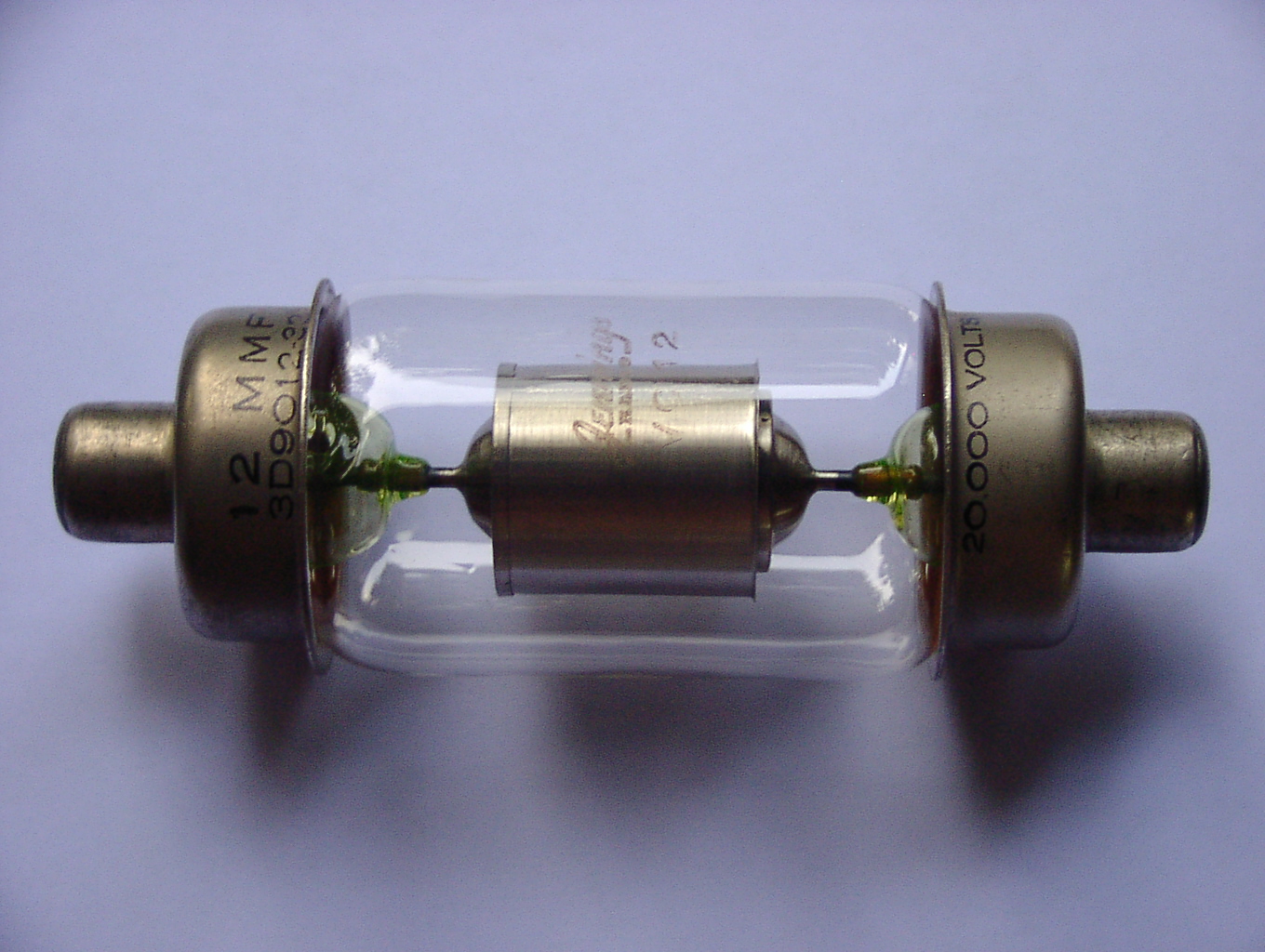
Key Properties and Performance
- Hermeticity: Leak rates <10⁻¹⁰ atm-cc/s He.
- Electrical Insulation: >10¹² Ω resistance.
- Mechanical Strength: Shear >10 MPa.
- Thermal Cycling: -65°C to +200°C (or higher for special grades).
- Chemical Resistance: Inert to most environments.
- Biocompatibility: ISO 10993 compliant grades for implants.
Applications
- Electronics: Hermetic packages for semiconductors, MEMS, quartz crystals.
- Medical: Pacemakers, cochlear implants, neurostimulators, X-ray tubes.
- Aerospace/Defense: Satellite feedthroughs, missile guidance.
- Energy: Lithium battery headers, nuclear sensors.
- Automotive: EV battery seals, pressure sensors.
- Scientific: Vacuum tubes, particle accelerators.
Advantages and Limitations
Advantages:
- Superior hermeticity vs. epoxies/polymers.
- High temperature/pressure tolerance.
- Long-term reliability (decades).
- Biocompatibility.
Limitations:
- High cost (precision materials/processes).
- Brittleness (glass component).
- Thermal expansion matching constraints.
- Size limitations (large seals challenging).
Standards and Testing
- MIL-STD-883: Military electronics.
- IEC 60068: Environmental testing.
- ISO 10993: Biocompatibility.
- Helium leak detection standard.
Market Trends
- Miniaturization for wearables/implants.
- High-power electronics (EV, 5G).
- Biocompatible titanium seals.
- Lead-free, RoHS-compliant plating.
Conclusion
Glass to metal seals remain a cornerstone of reliable hermetic packaging, enabling technologies from everyday electronics to life-saving medical devices. Their combination of electrical insulation, mechanical strength, and environmental resistance is unmatched by alternatives. Ongoing material and process innovations ensure continued relevance in demanding applications requiring absolute sealing integrity.
More articles by ZMR Researche:
https://www.zionmarketresearch.com/de/report/bath-and-shower-products-market
https://www.zionmarketresearch.com/de/report/cheese-powder-market
https://www.zionmarketresearch.com/de/report/pharmaceutical-filtration-market
https://www.zionmarketresearch.com/de/report/beverage-acidulants-market
https://www.zionmarketresearch.com/de/report/business-rules-management-system-market