Molybdenum: Role in Steel Alloys and High-Temperature Materials
Molybdenum (Mo, atomic number 42) is a silvery-gray transition metal belonging to Group 6 of the periodic table. Known for its high melting point, strength at elevated temperatures, and corrosion resistance, molybdenum is a critical alloying element in steels and superalloys, and an essential trace mineral for life. Its name derives from the Greek molybdos (“lead-like”), reflecting ancient confusion with lead and graphite ores.
Discovered in 1778 by Carl Wilhelm Scheele and isolated in 1781 by Peter Jacob Hjelm, molybdenum remained a laboratory curiosity until the late 19th century when its alloying benefits were recognized. World War I demand for hardened steel artillery spurred production. As of 2025, global molybdenum mine production exceeds 300,000 metric tons annually (molybdenum content), with China (~45%), Chile, and the United States leading. The metal and its compounds support industries from aerospace to agriculture, with the market valued at USD 4-5 billion. Primary forms include ferromolybdenum (FeMo), molybdenum oxide, and pure metal.
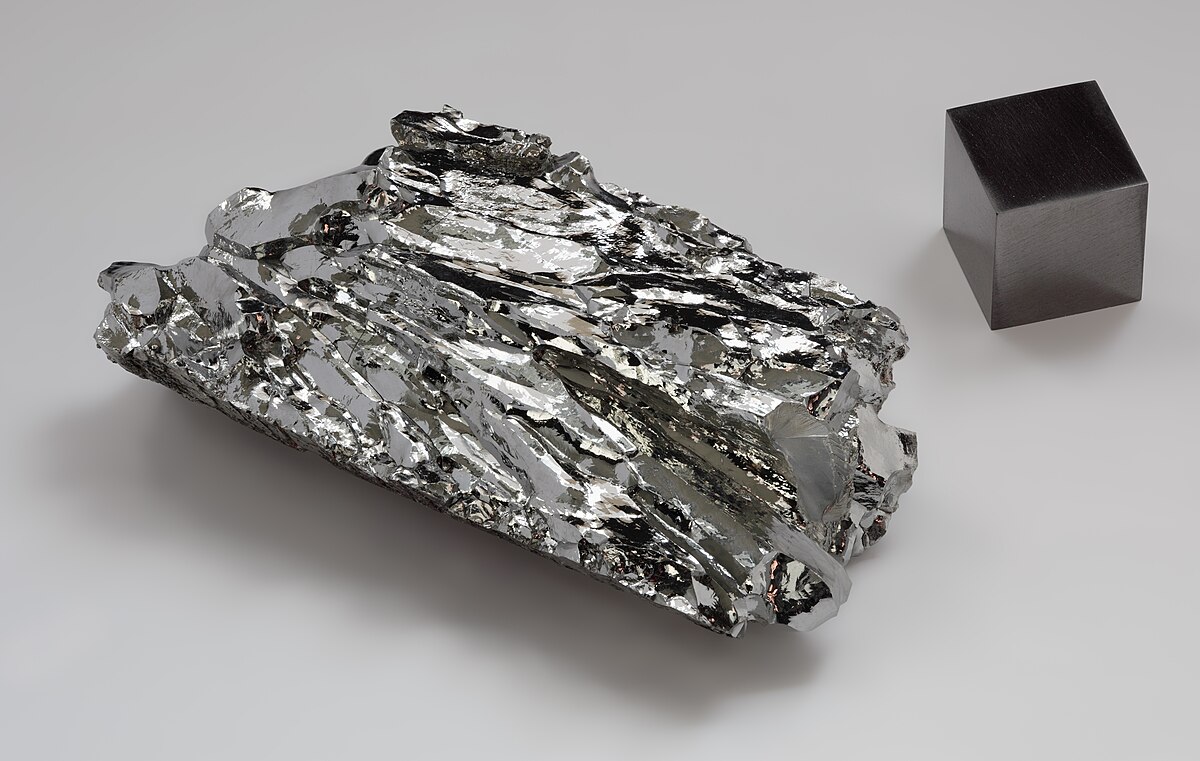
Physical and Chemical Properties
Molybdenum exhibits remarkable characteristics:
- Atomic weight: 95.95 g/mol.
- Melting point: 2,623°C (4,753°F)—fifth highest of elements.
- Boiling point: 4,639°C.
- Density: 10.28 g/cm³.
- Crystal structure: Body-centered cubic (BCC).
- Hardness: 5.5 Mohs; ductile when pure.
- Thermal conductivity: 138 W/m·K.
- Electrical resistivity: Low; good conductor.
Chemically:
- Oxidation states: +6 most stable (MoO₃); +4 (MoO₂), +3, +2.
- Forms stable molybdates (MoO₄²⁻).
- Resistant to non-oxidizing acids; attacked by alkalis and HF.
- Oxidizes above 600°C in air to MoO₃ (volatile “moly smoke”).
Alloys retain strength at high temperatures (creep resistance).
Occurrence and Mining
Molybdenum rarely occurs native; primary ore is molybdenite (MoS₂, ~0.1-0.3% Mo):
- Porphyry copper deposits (byproduct; 50-60% production).
- Primary molybdenum mines (e.g., Climax, Henderson in U.S.).
Major producers:
- China (Freeport-McMoRan, Jinduicheng).
- Chile (Codelco).
- U.S. (Climax).
Extraction:
- Mining/crushing.
- Flotation concentrate (MoS₂).
- Roasting: 2MoS₂ + 7O₂ → 2MoO₃ + 4SO₂.
- Purification: Sublimation or chemical leaching.
Byproduct recovery from copper refining dominant.
Production of Molybdenum Compounds
- Technical Molybdenum Oxide (Tech Oxide): Roasted concentrate.
- Ferromolybdenum (FeMo): 60-75% Mo; aluminothermic reduction.
- Pure Metal: Hydrogen reduction of MoO₃ or ammonium molybdate.
- Molybdates: Ammonium dimolybdate (ADM) precursor for catalysts.
Applications
- Alloying Element (75-80% consumption)
- Steels: 0.2-5% Mo improves hardenability, strength, corrosion resistance (stainless, tool, HSLA steels).
- Superalloys: Nickel-based (Inconel, Hastelloy) for turbines (jet engines, power plants).
- Chemicals and Catalysts
- Hydrodesulfurization (petroleum refining).
- Oxidation catalysts (formaldehyde, acrylic acid production).
- Lubricants
- Molybdenum disulfide (MoS₂): Solid lubricant for extreme conditions (aerospace, automotive).
- Pigments and Ceramics
- Molybdate orange/red pigments.
- Glass melting electrodes.
- Electronics
- Thin films, sputtering targets.
- Agriculture
- Trace element fertilizer (molybdenum deficiency limits nitrogen fixation in legumes).
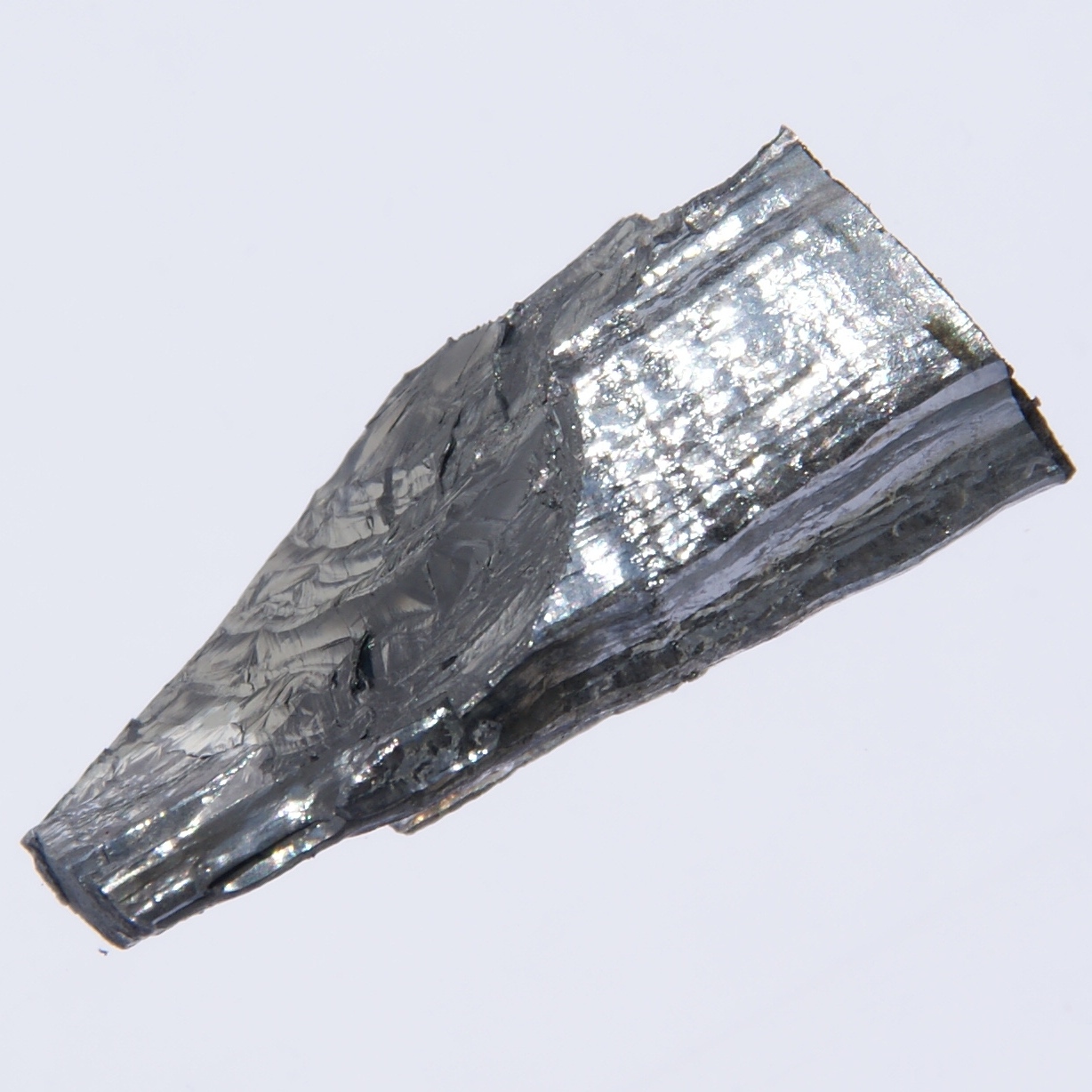
Biological Role
Molybdenum is an essential trace element:
- Cofactor in enzymes: Xanthine oxidase, sulfite oxidase, aldehyde oxidase, nitrate reductase (plants).
- Deficiency rare in humans (esophageal cancer links in low-Mo soils).
- Toxicity low; occupational exposure limits for Mo compounds.
Daily requirement: 45 μg adults.
Health and Safety
- Low acute toxicity.
- Inhalation of MoO₃ fumes: Irritation.
- MoS₂: Inert lubricant.
No carcinogenicity classification (IARC).
Market and Economic Aspects
Price volatility tied to steel demand and copper byproduct. 2025 average ~USD 20-30/lb Mo in FeMo.
Sustainability: Byproduct nature reduces mining impact; recycling from catalysts/alloys growing.
Conclusion
Molybdenum’s unique high-temperature strength and catalytic properties make it indispensable in modern industry, from hardened steels powering infrastructure to enzymes sustaining life. Its role as a byproduct metal aligns with resource efficiency, while ongoing demand in clean energy (wind turbines, hydrogen catalysts) and advanced materials ensures strategic importance. Sustainable sourcing and recycling will shape its future amid global electrification and decarbonization efforts.
More articles by ZMR Researche:
https://www.zionmarketresearch.com/de/report/shapewear-market
https://www.zionmarketresearch.com/de/report/bismaleimide-triazine-bt-resin-market
https://www.zionmarketresearch.com/de/report/hepa-filters-market
https://www.zionmarketresearch.com/de/report/liquid-crystalline-polymers-market
https://www.zionmarketresearch.com/de/report/medical-device-complaint-management-market