Pet Shampoo: Types, Ingredients, and Skin Benefits
Pet Shampoo is a specialized cleansing product formulated for animals, primarily dogs and cats, but also horses, rabbits, birds, and other companion species. Unlike human shampoos, pet shampoos are designed to match the unique pH, skin structure, and coat types of animals, avoiding irritation while effectively removing dirt, odors, oils, and parasites.
The pet grooming market, including shampoos, has grown rapidly due to pet humanization trends, with owners viewing pets as family members and investing in premium care. As of 2025, the global pet shampoo segment is valued at approximately USD 600-800 million within the broader USD 10+ billion pet grooming products market. Growth is driven by natural/organic formulations, medicated options for skin conditions, and waterless/dry shampoos for convenience. Leading brands include Veterinary Formula, Burt’s Bees for Pets, Earthbath, TropiClean, and Wahl.
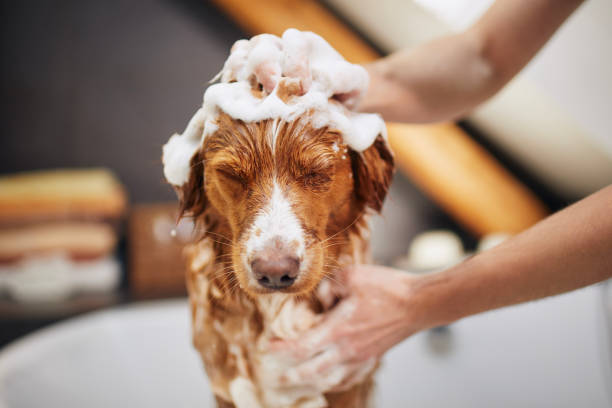
Skin and Coat Differences: Why Pet-Specific Shampoo Matters
Animal skin differs significantly from human skin:
- pH: Dogs 6.2-7.4 (neutral to slightly alkaline); cats 6.0-7.0; humans 5.5 (acidic).
- Epidermis: Thinner in pets (3-5 cell layers vs. 10-15 in humans).
- Hair follicles: Higher density; continuous growth cycles.
- Sebum: Different composition; dogs/cats produce more oils.
Human shampoos (acidic, with fragrances/detergents) strip natural oils, disrupt skin barrier, and cause dryness, itching, or infections. Pet shampoos use milder surfactants, balanced pH, and soothing ingredients.
Types of Pet Shampoos
- General Cleansing Everyday use; mild formulas for regular bathing (every 4-8 weeks).
- Medicated/Therapeutic Target conditions:
- Antiseborrheic (coal tar, salicylic acid, sulfur for dandruff).
- Antifungal/Antibacterial (chlorhexidine, ketoconazole, miconazole for infections).
- Antiparasitic (pyrethrin, fipronil for fleas/ticks—often spot-on, but shampoo variants exist).
- Hypoallergenic/Sensitive Skin Fragrance-free, oatmeal, aloe vera, or ceramide-based for allergies/atopy.
- Natural/Organic Plant-derived surfactants (coconut, yucca), essential oils (tea tree, lavender—diluted safely), no parabens/sulfates.
- Conditioning/Moisturizing With emollients (oatmeal, coconut oil, shea butter) for dry coats.
- Puppy/Kitten Tear-free, extra gentle.
- Waterless/Dry Foam or powder; no rinse for quick cleanups or water-averse pets.
- Deodorizing Enzymes or baking soda neutralize odors.
- Color-Enhancing For show dogs; whitens or darkens coats.
Key Ingredients
Common components:
- Surfactants: Cocamidopropyl betaine (gentle), sodium laureth sulfate (in budget lines—avoid for sensitive).
- Soothing: Colloidal oatmeal (anti-itch), aloe vera, chamomile.
- Moisturizing: Glycerin, fatty acids, vitamin E.
- Natural Oils: Coconut, jojoba, argan.
- Medicated Actives: Benzoyl peroxide (acne), chlorhexidine (bacteria).
- Essential Oils: Lavender (calming), tea tree (antimicrobial—highly diluted).
Avoid: Tea tree undiluted (toxic to pets), parabens, artificial dyes in premium lines.
Benefits of Regular Bathing with Proper Shampoo
- Removes dirt, allergens, excess oil.
- Reduces shedding, matting.
- Controls odors.
- Prevents skin infections.
- Enhances coat shine/health.
- Supports flea/tick treatments.
Overbathing strips oils; frequency depends on breed/lifestyle (1-4 weeks).
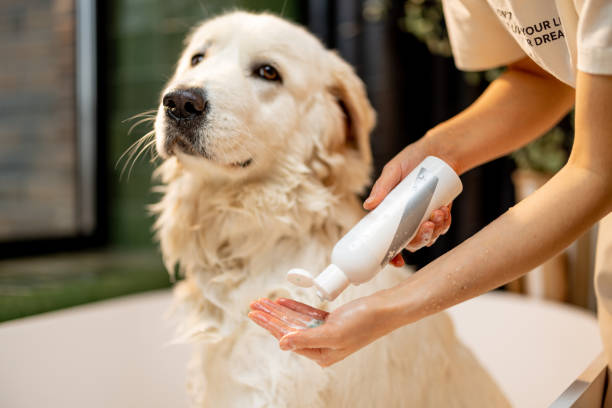
Safety Considerations
- Rinse thoroughly to prevent residue irritation.
- Avoid eyes/ears; use tear-free formulas.
- Toxicity risks: Essential oils (cats especially sensitive), xylitol in some.
- Dilution: Never use undiluted.
- Veterinary guidance for medicated shampoos.
Allergies possible; patch test new products.
Trends in Pet Shampoo (2025)
- Natural/Organic: Plant-based, eco-friendly packaging.
- CBD-Infused: Calming claims (limited evidence; legal where cannabis allowed).
- Waterless/Foam: Convenience for urban pet owners.
- Breed-Specific: For long/short coats, double-coated breeds.
- Sustainable: Refillable, biodegradable formulas.
- Functional: Probiotic, anti-shedding, odor-neutralizing enzymes.
Choosing the Right Shampoo
Consider:
- Pet species/breed (e.g., water-repellent coats in Labradors).
- Skin condition (dry, oily, sensitive).
- Age (puppy vs. senior).
- Lifestyle (indoor/outdoor).
- Owner preferences (scent, eco-friendliness).
Veterinarian recommendation key for skin issues.
Environmental and Ethical Aspects
Sustainable brands use biodegradable surfactants, recycled packaging, cruelty-free testing. Water use in bathing impacts eco-footprint; waterless options reduce consumption.
Conclusion
Pet shampoo is far more than a simple cleanser—it’s a tailored grooming essential supporting skin health, coat condition, and overall well-being. Advances in natural ingredients, medicated formulas, and eco-conscious production reflect growing pet humanization. Proper selection and use ensure safe, effective bathing while addressing specific needs, from everyday freshness to therapeutic relief. As pet ownership rises and science informs formulations, pet shampoos continue evolving to meet diverse demands in modern companion animal care.
More articles by ZMR Researche:
https://www.zionmarketresearch.com/de/report/wide-body-aircraft-mro-market
https://www.zionmarketresearch.com/de/report/freight-transport-market
https://www.zionmarketresearch.com/de/report/intraoperative-neuromonitoring-market
https://www.zionmarketresearch.com/de/report/fishing-rod-market
https://www.zionmarketresearch.com/de/report/car-t-cell-therapy-market
https://www.zionmarketresearch.com/de/report/glycerol-monostearate-market