Pinatex Fiber Innovations in Eco-Friendly Textiles
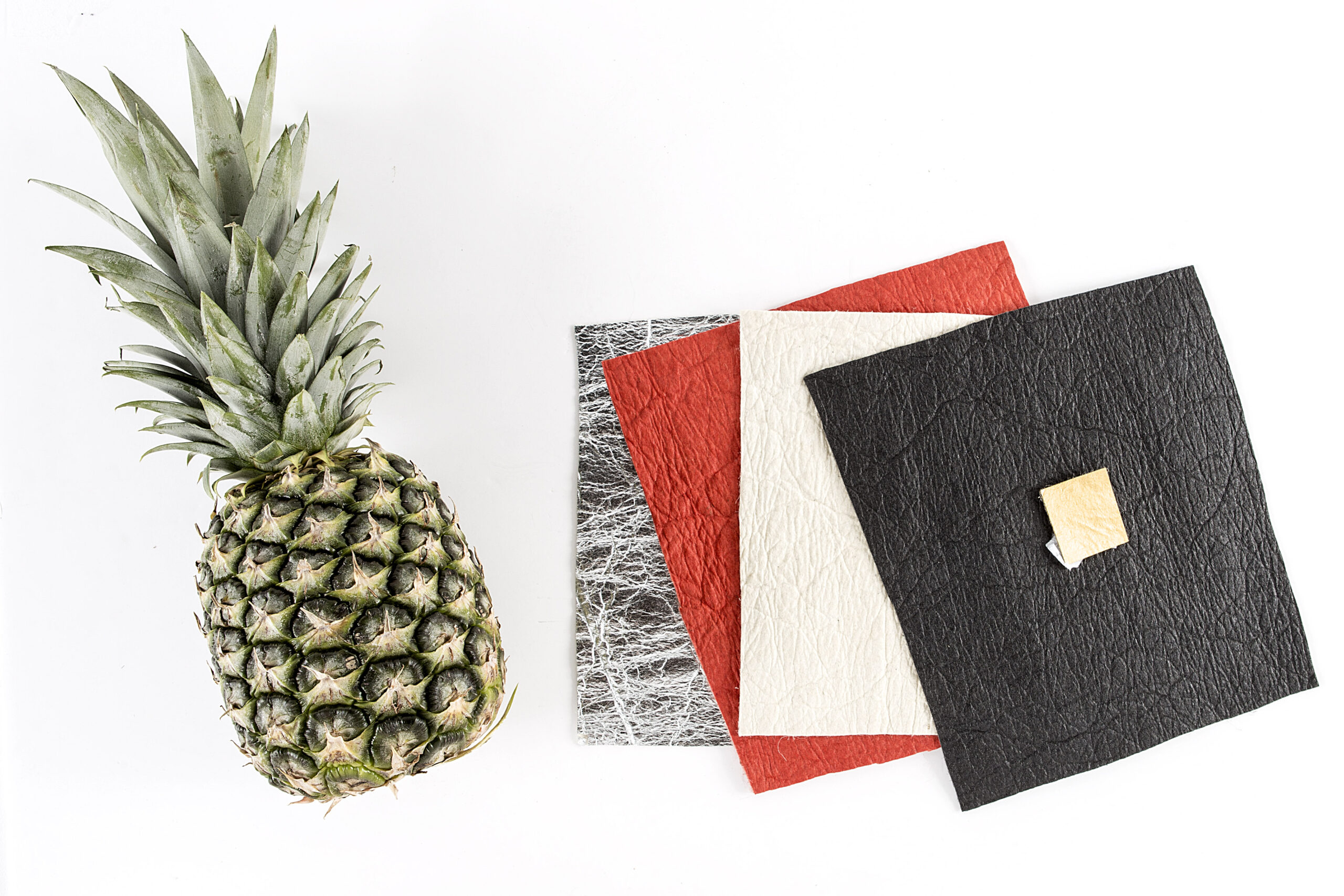
Pinatex fiber, commonly branded as Pinatex , is an innovative, non-woven textile made from pineapple leaf fibers (PALF), serving as a sustainable, vegan alternative to animal leather.
Developed by Ananas Anam, it transforms agricultural waste from pineapple harvests into a durable, leather-like material used in fashion, accessories, upholstery, and automotive interiors. Pinatex promotes circular economy principles by upcycling leaves that would otherwise be burned or discarded, supporting farmers with additional income while reducing environmental impact.

History and Development
Dr. Carmen Hijosa, a leather industry expert, created Pinatex in the 1990s while working in the Philippines. She observed traditional barong tagalog fabric from pineapple leaves and sought a sustainable leather alternative amid concerns over animal welfare and tanning pollution.
She founded Ananas Anam in 2013 (supported by the Royal College of Art). Commercial launch occurred in 2015. Partnerships with brands like Puma, Hugo Boss, and H&M followed. By 2025, production scales in the Philippines, with expansions in other pineapple-growing regions.
Production Process
Pinatex production is low-impact and community-driven:
- Harvesting: Farmers extract long fibers (decortication) from leaves post-pineapple harvest.
- Processing: Fibers are degummed, dried, and formed into a non-woven mesh (Pinafelt).
- Finishing: The mesh receives a resin coating (often plant-based or low-impact) for durability and aesthetics; coloring and embossing add leather-like texture.
About 480 leaves (from 16 pineapples) yield 1 square meter. Biomass byproduct becomes fertilizer or biofuel.
Properties and Characteristics
Pinatex is lightweight, breathable, flexible, and stitchable, with a natural texture varying by finish (metallic, matte, embossed).
Compared to leather: Lower water/carbon footprint, cruelty-free, but less inherently waterproof (coatings help).
Applications and Brands
Used in:
- Fashion → Shoes, bags, jackets (e.g., Hugo Boss sneakers, Nike prototypes).
- Accessories → Watches, wallets.
- Interiors/Automotive → Car seats, furniture.
Over 300 brands adopt it, including Paul Smith and Bourgeois Boheme.
Advantages and Sustainability
Environmental Benefits:
- Reduces waste (millions of tons of leaves annually).
- Lower water use and emissions than leather.
- Biodegradable base (with compostable coatings).
Social Impact:
- Extra income for farmers.
Challenges:
- Coating durability; scaling supply.
Pinatex exemplifies innovative, ethical materials driving sustainable fashion. As demand grows, advancements in fully biodegradable versions promise even greater impact. For brands or sourcing, visit Ananas Anam.
More articles by ZMR Researche:
https://www.zionmarketresearch.com/de/report/alloy-steel-market
https://www.zionmarketresearch.com/de/report/etanercept-market
https://www.zionmarketresearch.com/de/report/thyristors-devices-market
https://www.zionmarketresearch.com/de/report/dental-water-jet-market
https://www.zionmarketresearch.com/de/report/assembly-automation-systems-market