Swimming Pool Chemicals: Types, Uses, and Safety Tips
Swimming Pool Chemicals are essential compounds used to maintain water quality, ensuring pools remain safe, clean, and inviting for swimmers. They sanitize water by killing bacteria and viruses, balance pH for comfort and equipment protection, prevent algae growth, and clarify cloudy water.
Proper chemical management prevents health issues like infections, skin irritation, and eye redness, while extending pool equipment life. Regular testing and balanced chemistry are key—ideal ranges include chlorine 1–3 ppm, pH 7.2–7.8, and total alkalinity 80–120 ppm.
The Importance of Pool Chemistry
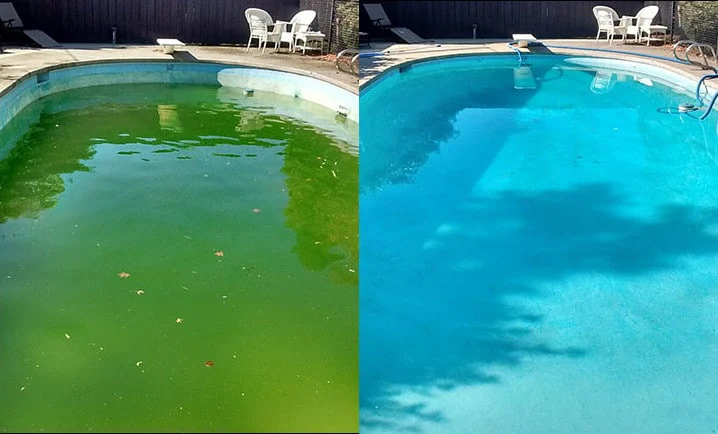
Unbalanced water leads to problems: Low sanitizer allows pathogens; high pH causes scaling and cloudy water; low alkalinity fluctuates pH. Chemicals work synergistically—e.g., stabilizer protects chlorine from UV degradation. Testing kits (strips or liquid) monitor levels weekly or more in heavy use.
Primary Pool Chemicals
Sanitizers (Chlorine and Alternatives)
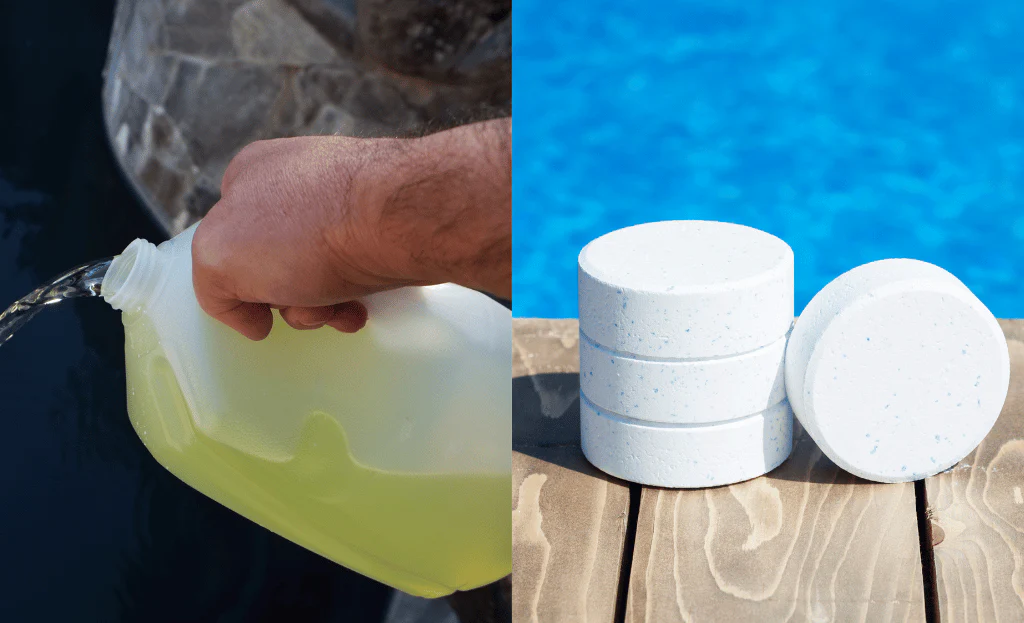
Chlorine is the most common, available as tablets, granules, or liquid. It kills bacteria and oxidizes contaminants.
Alternatives: Bromine (better in hot tubs), biguanide (non-chlorine).
Shock Treatments
High-dose oxidizers (calcium hypochlorite or dichlor) “shock” the pool to break down chloramines and organic waste, often weekly or after heavy use.
pH Balancers and Alkalinity Adjusters
pH increaser (soda ash) or decreaser (muriatic acid/sodium bisulfate); baking soda raises alkalinity.
Stabilizers and Conditioners
Cyanuric acid (CYA) protects chlorine from sunlight; ideal 30–50 ppm outdoors.
Algaecides and Clarifiers
Quaternary ammonium or copper-based algaecides prevent growth; clarifiers/flocculants coagulate particles for filtration.
Safety and Handling
Pool chemicals are strong oxidizers—store in cool, dry places, never mix (risk of explosion), wear PPE, and follow labels. CDC guidelines emphasize safe storage to prevent accidents.
Conclusion
Swimming pool chemicals are vital for safe, crystal-clear water. Regular testing, balanced addition, and proper storage ensure enjoyment. Consult local guidelines or professionals for specific needs—healthy pools start with good chemistry!
More articles by ZMR Researche:
https://www.zionmarketresearch.com/de/report/bodyboards-market
https://www.zionmarketresearch.com/de/report/hydraulic-cab-tilt-system-market-size
https://www.zionmarketresearch.com/de/report/wooden-crates-market-size
https://www.zionmarketresearch.com/de/report/solar-panel-cleaning-market
https://www.zionmarketresearch.com/de/report/radio-transmitter-market